
Nutritional Awareness & Everyday Influences on Body Weight
Explore the science behind nutrition, energy balance, and lifestyle factors that shape our daily health.
Educational Content Only
No promises of outcomes. We explain mechanisms, not prescribe solutions.
Energy Intake & Expenditure Basics
Understanding the fundamental principles of how our bodies use energy
The human body operates on a principle of energy balance. Every day, we consume energy through food and beverages, and we expend energy through basal metabolism (the energy required for basic bodily functions), digestion, and physical activity. This balance between intake and expenditure is fundamental to understanding nutritional science.
Energy from food is measured in kilocalories (kcal). Different macronutrients provide varying amounts of energy: proteins and carbohydrates supply approximately 4 kcal per gram, while fats provide about 9 kcal per gram. The total energy consumed from food depends on both the types of foods eaten and their quantities.
Energy expenditure is more complex. Basal Metabolic Rate (BMR) accounts for the majority of daily energy use and varies based on factors such as age, sex, body composition, and genetics. Beyond BMR, energy is expended through physical activity and the thermic effect of food (energy required to digest, absorb, and process nutrients).
Key Nutrient Families
The essential categories of nutrients and their physiological roles
Proteins
Amino acids are the building blocks of proteins. They play crucial roles in muscle synthesis, enzyme function, hormone production, and immune function. Protein sources include animal products (meat, fish, eggs, dairy) and plant-based options (legumes, nuts, seeds, whole grains).
Carbohydrates
Simple and complex carbohydrates provide energy and important micronutrients. Whole grains, vegetables, fruits, and legumes offer sustained energy along with fibre and essential vitamins. Carbohydrate quality and quantity both influence energy metabolism and satiety.
Fats
Dietary fats support hormone production, nutrient absorption, brain function, and satiety. Sources include oils, nuts, seeds, fatty fish, and whole food products. Fat composition and quantity both contribute to overall nutritional adequacy and energy balance.


Hunger & Satiety Signals
Your body possesses natural mechanisms to regulate appetite and satiety. Hormones such as ghrelin (the "hunger hormone") and leptin (the "satiety hormone") send signals to the brain about energy status. These signals are influenced by food intake, energy expenditure, sleep quality, stress levels, and individual metabolic factors.
Meal composition also influences how long you feel satisfied after eating. Foods high in protein and fibre tend to produce longer-lasting satiety compared to highly processed foods with added sugars. The stomach's stretching (gastric distension) provides physical signals of fullness, and the small intestine's nutrient absorption triggers hormonal satiety responses.
Individual differences in appetite regulation are significant. Some people experience more pronounced hunger signals, while others may have blunted signals. These differences reflect variations in hormonal sensitivity, digestive efficiency, and central nervous system signalling.
Observed Eating Trends in Population Data
Population-level nutrition surveys reveal patterns in how different groups consume food. These observations show variations in meal frequency, food choices, portion sizes, and eating occasions across different demographics and geographic regions.
Research consistently documents changes in eating patterns over recent decades, including increased consumption of processed foods, larger portion sizes in certain regions, and shifts in the timing of meals. These trends occur alongside changes in physical activity patterns and lifestyle factors.
Individual eating behaviours are shaped by multiple factors: cultural traditions, food availability, time constraints, taste preferences, social influences, and learned habits. Understanding these influences helps explain why nutritional patterns vary so widely among individuals.
Population data also shows relationships between certain dietary patterns and health outcomes, but it is crucial to remember that correlation does not equal causation, and individual responses to dietary changes vary significantly.

Daily Movement Dynamics
Non-Exercise Activity Thermogenesis (NEAT) refers to energy expended through all activities outside of formal exercise: occupational tasks, housework, leisure activities, fidgeting, and maintaining posture. NEAT often accounts for a larger proportion of daily energy expenditure than structured exercise.
Daily movement patterns vary significantly among individuals based on occupation, lifestyle, and personal activity levels. Someone with a desk job will have lower NEAT than someone with a physically demanding job. These differences compound over time and influence overall energy balance.
Incidental activity—taking stairs instead of lifts, parking farther away, standing during tasks—contributes measurably to total daily energy expenditure. The cumulative effect of these small movements throughout the day can be substantial.
Individual variation in movement patterns is normal and reflects real differences in daily life. Understanding your personal activity level is more useful than comparing yourself to others.

Hydration Essentials
Water is essential for every physiological process: temperature regulation, nutrient transport, waste elimination, joint lubrication, and cognitive function. Total body water comprises approximately 60% of body weight in adults, with variations based on age and body composition.
Hydration status is regulated by thirst mechanisms and hormonal signals (particularly antidiuretic hormone). Adequate fluid intake is necessary for optimal physical and cognitive function. Daily fluid needs vary based on activity level, climate, individual metabolism, and diet composition.
While plain water is the primary hydration source, other beverages and water-rich foods (vegetables, fruits) also contribute to total fluid intake. Individual thirst mechanisms are generally reliable indicators of hydration needs for most people in normal conditions.
Proper hydration supports digestion, nutrient absorption, and the body's natural regulatory processes. Dehydration can impair physical and mental performance, but excessive water intake beyond thirst mechanisms is unnecessary for most people.

Rest & Nutritional Harmony
Sleep quality and duration significantly influence metabolic regulation and eating behaviour. During sleep, the body undergoes essential restoration processes, and hormonal changes occur that affect appetite regulation the following day. Poor sleep is associated with alterations in ghrelin and leptin, potentially increasing hunger signals.
Sleep deprivation is linked to changes in food preferences, often towards higher-calorie and less nutrient-dense options. Adequate sleep supports better decision-making around food choices and may facilitate more consistent eating patterns.
The circadian rhythm (the body's internal 24-hour cycle) influences metabolic processes, meal timing effects, and digestive efficiency. Aligning eating patterns with natural circadian rhythms may support more stable energy levels and metabolic function.
Stress and sleep are interconnected. Chronic stress impairs sleep quality, while poor sleep increases stress sensitivity. Both conditions influence appetite regulation and food choices. Supporting good sleep hygiene is an important part of overall lifestyle health.
Flow Notes: Deep Dives on Nutrition
Explore detailed articles on specific nutritional topics and lifestyle factors
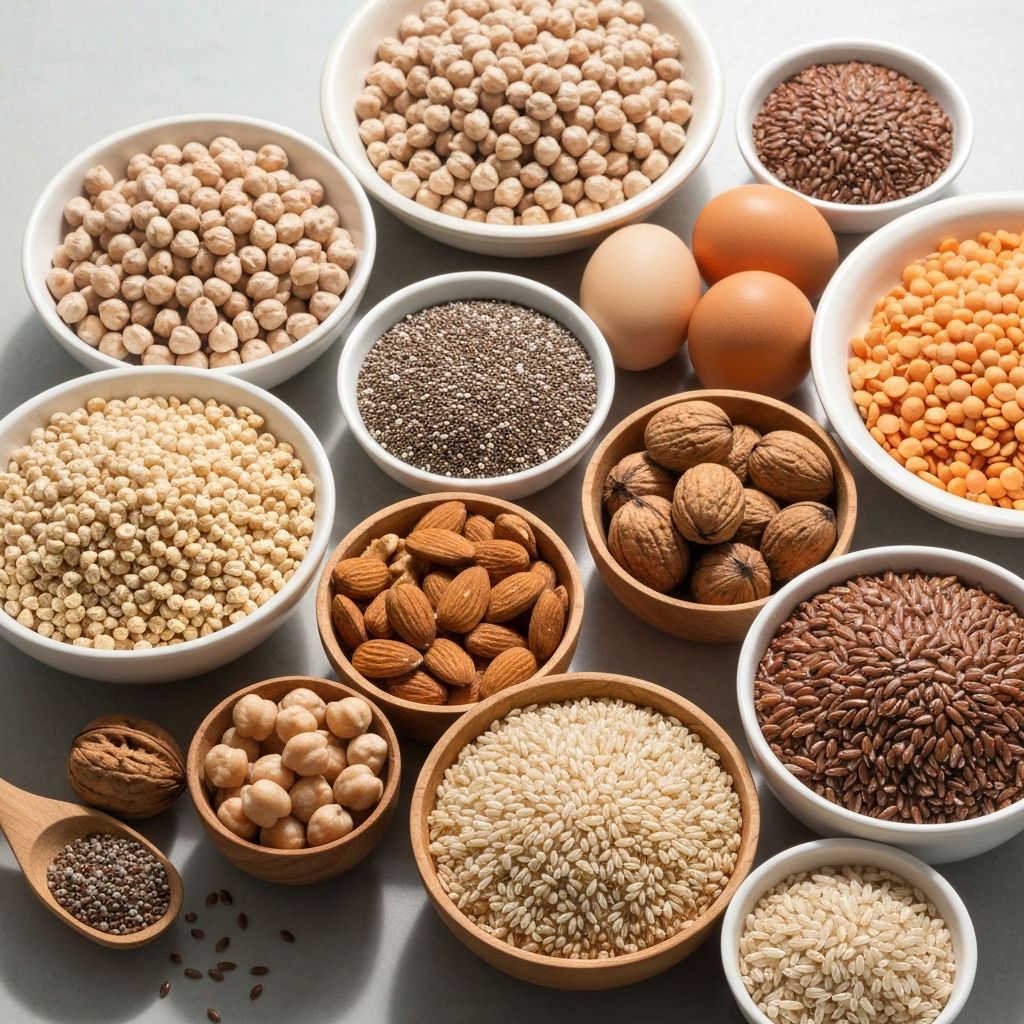
Protein: Sources, Digestion & Role
A detailed exploration of protein nutrition, including amino acid composition, digestive processes, and physiological roles in the body.
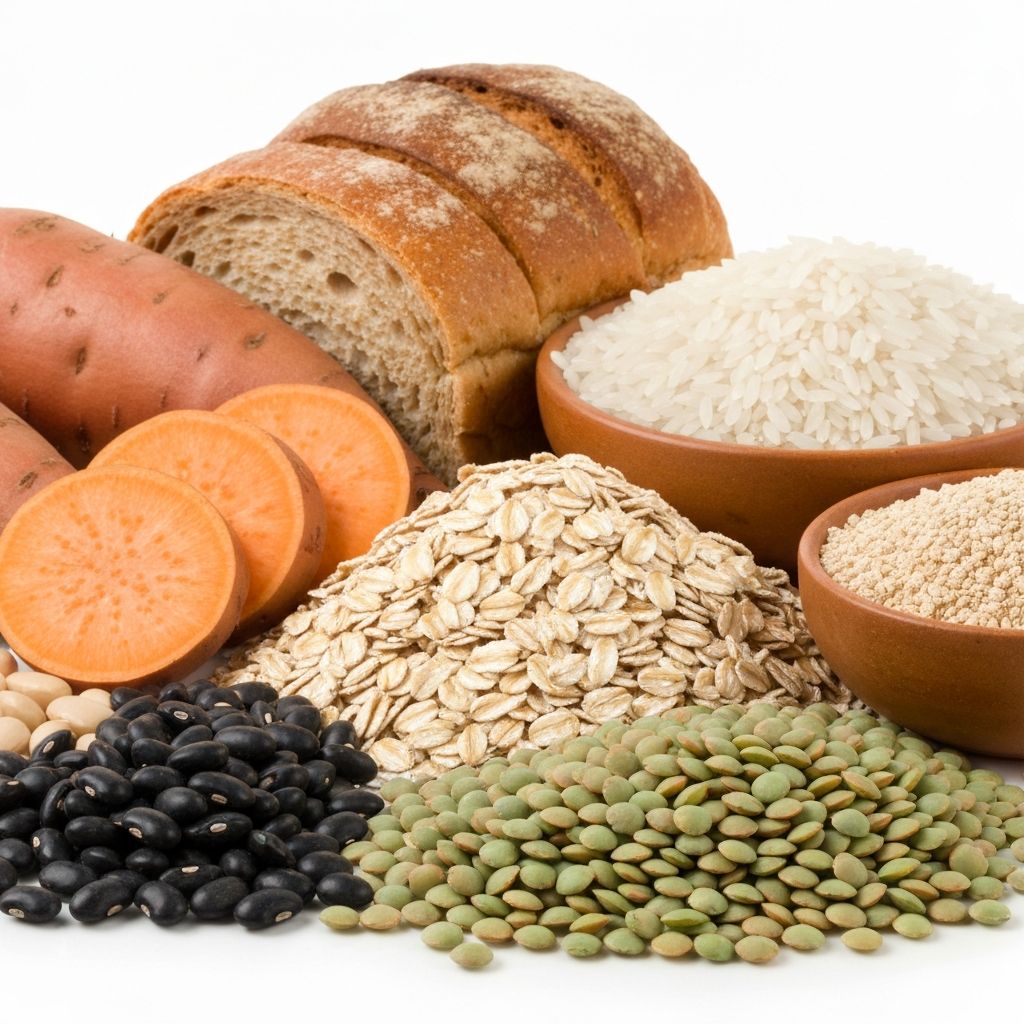
Carbohydrates: Types & Energy Pathways
Understanding simple and complex carbohydrates, glycaemic response, and their role in energy metabolism.

Fibre: Varieties & Everyday Impact
The different types of dietary fibre, their sources, and their effects on digestion, satiety, and metabolic health.

How Sleep Shapes Appetite Patterns
Exploring the hormonal and neurological connections between sleep quality and hunger regulation.

Non-Exercise Movement: What It Means
Understanding NEAT, incidental activity, and how daily movement contributes to total energy expenditure.
Reexamining Widespread Food Beliefs
A fact-based review of common assumptions about food and nutrition, examining what the evidence actually shows.
Frequently Asked Questions
ActiveMenuFlow is an independent educational resource that explains nutritional science, energy balance principles, and lifestyle factors related to body weight and health. We provide factual information for understanding, not prescriptions for action.
No. This website provides educational content only. It is not medical advice, does not diagnose or treat any conditions, and is not a substitute for professional medical consultation. Please consult healthcare professionals for personalised guidance.
Our content is educational and general in nature. Any significant changes to diet, activity, or health routines should be discussed with appropriate healthcare professionals who can consider your individual circumstances.
Personalised guidance requires individual assessment by qualified professionals. We explain general mechanisms and principles, but every person's nutritional needs are different based on their unique health status, genetics, lifestyle, and goals.
Different dietary approaches work for different people. Our site explores mechanisms and principles, not specific diets. What matters most is finding a sustainable, balanced approach that fits your life and preferences, ideally with professional guidance.
Meal frequency varies among individuals. Some people function well with three meals daily, others prefer multiple smaller meals, and some practice intermittent eating patterns. The optimal pattern depends on your personal preferences, activity level, and how different approaches affect your hunger and energy.
Calorie awareness can be a useful tool for some people, but it is not necessary or helpful for everyone. This site explains energy balance principles, but does not prescribe specific calorie targets. Individual approaches vary widely.
Sleep quality and duration influence hormones that regulate hunger and satiety, affect food preferences, and support metabolic function. Poor sleep often leads to altered appetite signals and less optimal food choices the following day.
The nutrition needs of active individuals differ from sedentary individuals, particularly for protein and carbohydrate timing around activity. However, individual requirements vary based on activity type, intensity, frequency, and personal goals.
Yes. The information presented is based on established nutritional science and peer-reviewed research. We aim to explain current scientific understanding, while acknowledging areas where research is ongoing or where individual variation is significant.
No. Creating specific meal plans requires individual assessment and is beyond the scope of this educational resource. We explain principles that inform meal planning, but actual planning should involve a qualified nutritionist or dietitian.
Our Flow Notes section contains detailed articles on specific nutritional topics. We encourage critical thinking about nutrition information and consultation with qualified professionals for personalised guidance.
Continue Your Exploration
Nutritional science is a field of ongoing research and individual variation. What you've learned here provides context for understanding your own nutritional health. For decisions specific to your circumstances, we encourage consultation with qualified healthcare professionals.